
How to Rebuild a v0 Website With AI
Learn how to rebuild your v0 site using Repaint, an AI platform optimized for marketing websites. A step-by-step guide to migrating off v0 without starting over.

Introduction
v0 is a popular browser-based AI coding tool made by the developer platform Vercel. It can create a simple website in minutes, but it's not primarily designed for web design. It's a full app building platform that's made for application UI design and production code workflows. For people who don't code, it's usually overkill and overwhelming.
Instead of finishing your website in v0, you can migrate to another tool that's more website-friendly. In this guide, I'll show you how to finish your website in an AI platform called Repaint.
Why Repaint
Repaint is an AI platform optimized for building websites. The core concept is the same as v0: you describe what you want and the AI builds it. But Repaint is designed to be simpler and focus on web design. A few ways it stands out:
- It's less technical. v0 regularly talks to you about code files, git diffs, components, production deployments, and repositories. Repaint talks to you in plain language, so there's less technical jargon to learn.
- It builds sites more efficiently. Repaint can build larger sites using less usage. It uses efficient parallel processes and automatically picks cheaper AI models for simple tasks, since most updates don't need the expensive AI models that v0 uses for complex app building.
- It's better at importing content. Repaint has dedicated tools for pulling content and styles out of existing websites, so you can bring a site over without manually moving everything.
How Migrating Off v0 Works
There are two ways to move your site into Repaint: import your code, or share your live URL. Exporting your code from v0 and uploading it to Repaint is the closest match to the original, since Repaint works from the real source. But if you're going to redesign your site anyway, it's simpler to just paste in your live v0 URL.
Either way, you'll end up with a full website that you can edit by chatting with AI. Once you're happy with it, you can publish directly from Repaint and connect a custom domain.
Step 1: Import your content
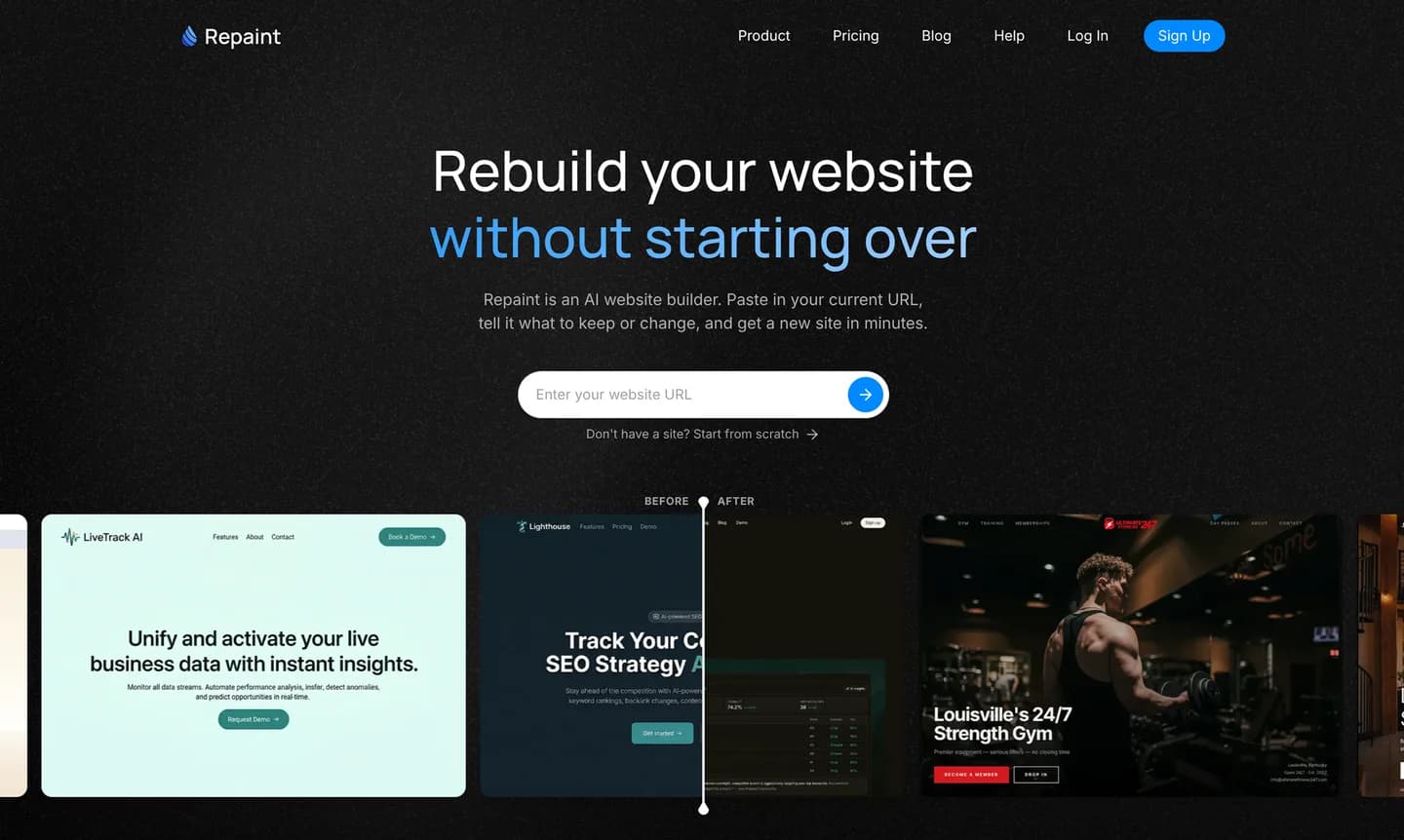
There are two ways you can import your content into Repaint:
- Export your code from v0, and import it into Repaint
- Share the live website URL
Exporting your code is free in v0, and it gives Repaint the most accurate copy of your original. When Repaint rebuilds from a URL instead, it can drift from the original slightly. That said, if you're planning to redesign the site anyway, exporting the code is overkill, and it's simpler to just share your live URL.
Importing as code
Exporting your code in v0 is quick once you know where to look:
- Open your website in v0
- Open the ellipsis (…) menu in the top right
- Click Download Zip to get your code files
- Go to Repaint and create your account
- Upload the .zip and submit
Importing from a URL
Repaint can redesign any publicly accessible website on the internet. For this to work, your v0 site has to be published. v0 has a Publish button in the top right that puts your site live at a URL like https://custom-company-website-iybvfowln-repaint.vercel.app.
First, publish your site in v0. Then:
- Visit your website and copy your published URL
- Go to Repaint, paste the URL, and submit
- Create your Repaint account
Either path starts the website building process. Repaint will scan your site, copy text and images, and take screenshots of each page to understand the design. From there, you just have to talk to Repaint to finish the process.
Step 2: Plan your new website
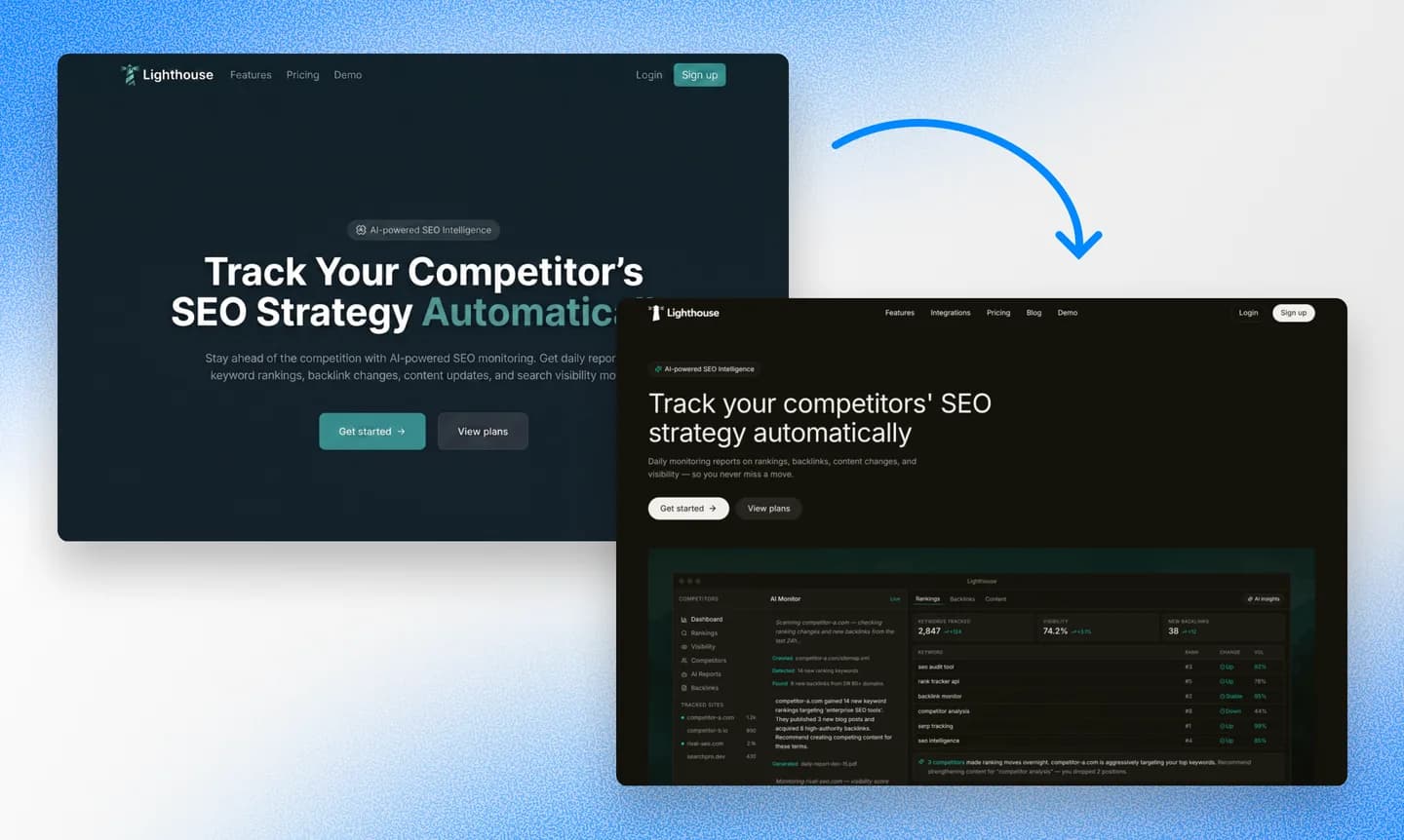
Repaint is capable of copying the original, completely redesigning it, or anything in between. Before it starts building your website, it'll ask you a few questions to understand what you're looking for.
Since you're already rebuilding, it's a good time to experiment with the style to see if there's anything else you want to try. You can have Repaint generate style samples for you to choose from, so you're not locked into the first look you land on.
We have a collection of website examples organized by industry if you want more styles to compare. Any of them can be used as a reference alongside the samples Repaint generates.
Import content
If you have more information to include, share it now. Repaint can use information from other websites, Google businesses, PDFs or other files, and images. The more it learns before building the site, the less you'll have to polish later.
If you have multiple source sites, like an older website in addition to the v0 one, you should give Repaint both. It can use the old website for information to transfer, and the new one as a style guide. When in doubt, share lots of information and let Repaint figure out how to use it.
Once you and Repaint agree on the plan, it'll build your new website!
Step 3: Generate your website
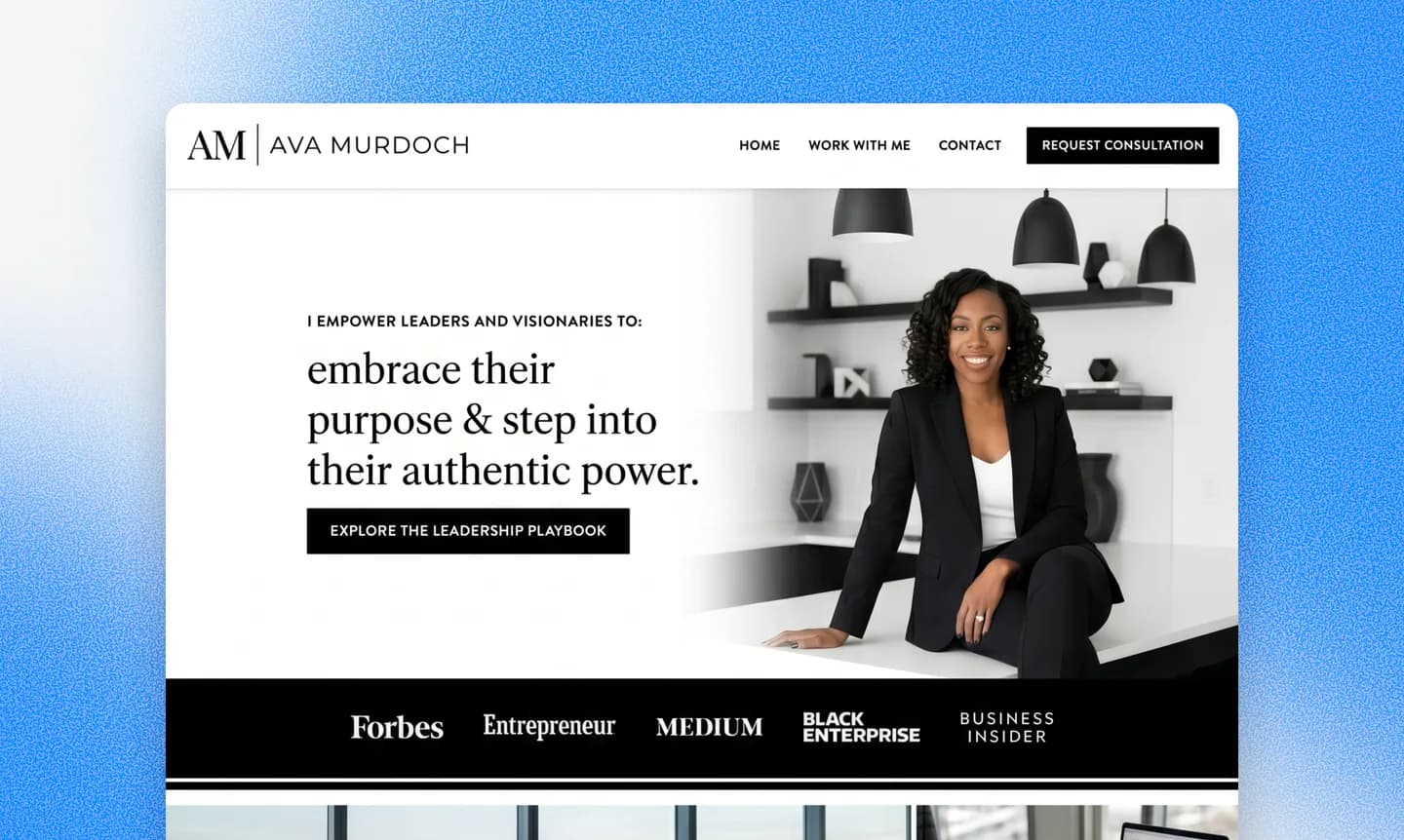
Repaint typically spends a few minutes building the first version of your website. The exact duration varies, depending on how much content it has to migrate and how large the new website is. A large site with dozens of pages might take over ten minutes.
When it's done, Repaint will automatically open a preview of your new website. The first version usually has some rough spots: text that got cut off, images in the wrong place, or spacing that's a bit off. That's expected. You can fix anything that's out of place by chatting with the AI.
If your v0 project is connected to a database like Supabase or Upstash, it won't automatically transfer. Repaint only rebuilds the visual website that people see, not complex backend functionality. It's not an issue for most marketing websites because they don't use a database. But if you've built a complex app in v0, migrating it would likely break the underlying logic.
Step 4: Make adjustments
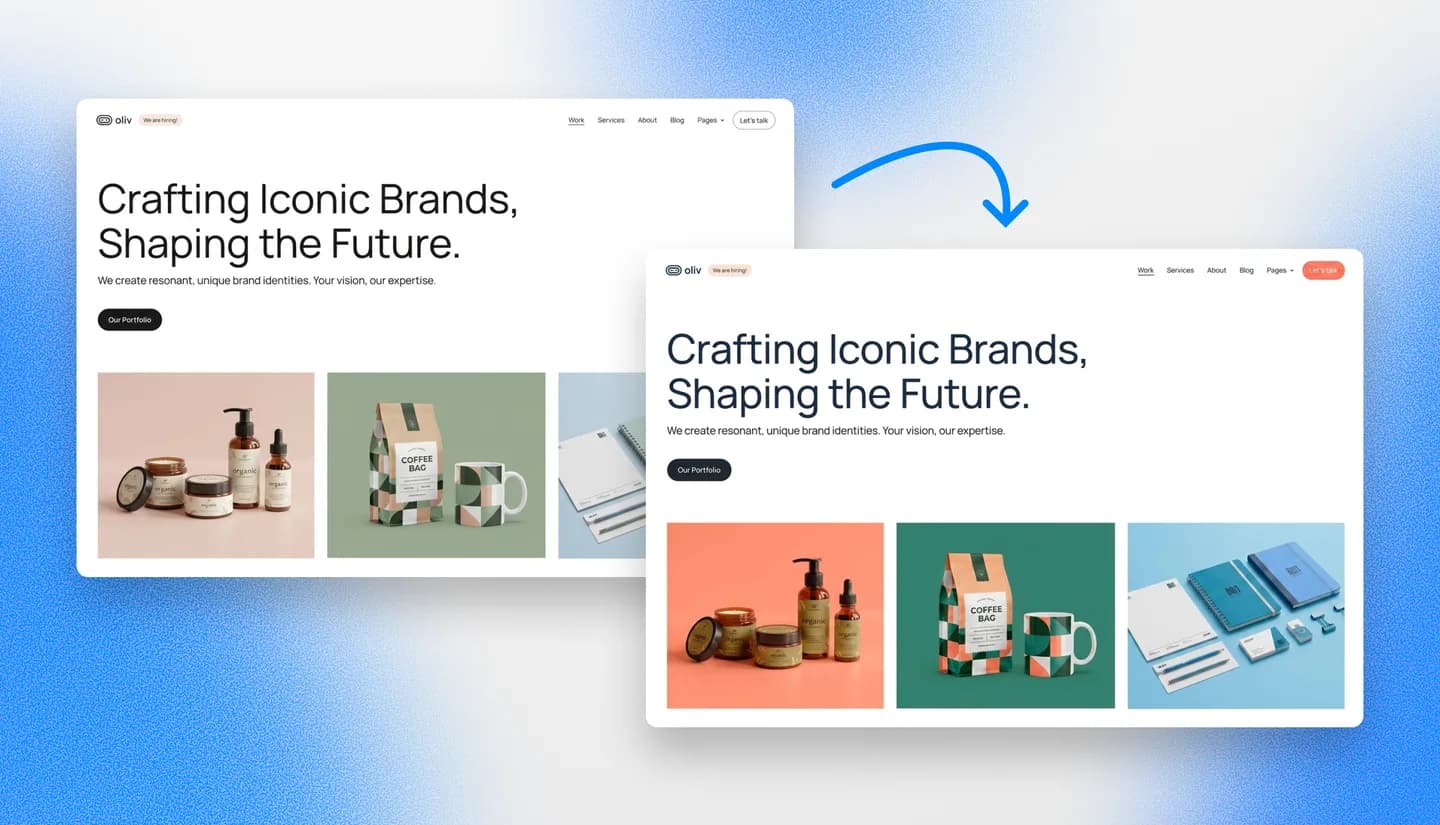
After generating your site, there might be a few quirks to work out. Repaint translates your website into its own format, so it's possible some details will be lost in translation. Or if Repaint redesigned your v0 site, there will be a lot of new content to review.
The editing workflow is the same as v0. You change anything on your website by chatting with AI. "Add more color to the design." "Swap the hero image to a modern skyscraper picture." "Reduce the font size on the headlines." If you need new images, Repaint can generate them for you directly.
You should start by evaluating the visual style. Make sure the colors, fonts, and layouts all look good. Your visual style establishes patterns that the AI will naturally use for any new content it creates, so getting it polished early is faster than polishing it after you build out dozens of pages.
Once you like the style, you can work through the content and make sure the text is accurate, images are in the right places, links work, and everything looks good on mobile.
Review SEO content
If your v0 site was getting search traffic, it's worth paying attention to SEO during your migration. We have an entire website redesign SEO guide if you want to learn more. At a high level, you just want to make sure the new website has the same page URLs, and the same content on them.
Google builds rankings for individual pages on your website, tied to their URLs. If you move to a new platform and those URLs change or disappear, Google treats them as new pages with no history, and you lose the traffic they were earning. And if you change the content, Google might decide the new versions are no longer relevant to search queries and stop ranking them.
You can ask Repaint to compare the URLs on your new site to the old one to see if there are any differences. If you imported the code directly, it's likely nothing changed. But if there's anything changed or missing, Repaint can help fix it as long as you ask.
When your site looks good and the content is correct, you're ready to publish.
Step 5: Publish your website
When you're ready to publish your new website, open your Repaint project and click Publish in the top right corner. Your site goes live on a Repaint URL that you can share with anyone. It will look similar to your v0 URL, like this: https://careful-tiger-5jd92kjd.sites.repaint.com
At this point, you have two websites live: one on Repaint, and one on v0. If you have a custom domain, it still points to your v0 site, so nothing has changed for your visitors yet. When you're ready to make the switch, you can transfer your domain.
Step 6: Transfer your domain

When you're ready to officially swap, you just need to point your domain to the new Repaint website. To do this in Repaint, you simply tell the AI to connect your domain. It will give you DNS records to add. This requires a paid plan; you can see pricing details here.
Your domain might be registered with Vercel, or it could be on another DNS service like GoDaddy, Namecheap, or Cloudflare. Either way, your domain should stay where it is. It's separate from your website, and you don't need to move it to connect it to your new website. You just need to update the settings so your domain points to your new Repaint site instead of the v0 one.
Don't worry if you've never handled DNS settings before. Repaint can walk you through it. It can give you custom instructions based on your provider. DNS changes can take 20 minutes or more to take effect. Once you set the DNS records, you can have Repaint check your live records to see if it successfully propagated. Once it verifies everything is set up correctly, you're done.
After you transfer your domain, you don't need a paid v0 plan for hosting anymore. You can cancel your v0 subscription anytime.
Conclusion
v0 is a great way to prototype application UIs for advanced software, but it's overkill for building a website. Repaint gives you a more website-friendly place to bring it over, polish the pages, improve the copy and visuals, and publish when you're ready. You can migrate by exporting your v0 code or sharing your live URL, then keep editing by chatting with AI instead of managing the code underneath. And since your v0 site stays live the whole time, there's little risk in trying Repaint before you switch.
FAQ
Why switch from v0 if Repaint is also an AI builder?
They're similar tools, and both let you describe what you want and build it. The difference is focus. v0 is more code-oriented and built for complex apps, while Repaint is more website-oriented: simpler language, more efficient multi-page building, and better tools for importing content from existing sites.
Is v0 too technical for building a website?
It's not a hard wall; you don't have to know how to code to use v0. It keeps the code and database tucked away, so it's easy to ignore. The interface isn't intrinsically super overwhelming. The real challenge is that the language in the AI chat and UI buttons is very technical. The AI talks about code files, git diffs, components, production deployments, and repositories. If you're just making a simple website, it can be overwhelming. Repaint keeps the conversation simple and focused on the website itself.
Won't I hit the same usage limits in Repaint that I hit in v0?
Repaint has usage limits too, but you'll get further on both the free tier and paid tiers. Repaint's AI agent is generally more efficient for editing websites, and it uses cheaper AI models for simpler tasks. You can get more done for less. It also runs on a weekly allowance rather than a monthly credit limit, which is more generous within a month.
Will migrating use up my v0 tokens?
No. Importing from your live URL just visits your published site like any visitor would, so it never touches your v0 account. Exporting your code is free too, since you're only downloading files you already have. The migration runs on Repaint's usage, not v0's.
What happens to my v0 site during the migration? Can I keep both?
Nothing happens to your v0 site. The two are completely separate, so your v0 project stays live and untouched while you build the new one. Once you're happy with the Repaint version, you can point your domain at it. If you'd rather stick with v0, you don't have to do anything.
What if my v0 project is a full app with a database?
Then Repaint probably isn't the right fit. It rebuilds the visual site people see, not the infrastructure behind it, like the database connection. If your project is a real app with that functionality, migrating would mean leaving those pieces behind.
Can Repaint match my v0 design exactly?
It depends on how you import. If you export your code, Repaint works from the original and can get very close. If you import from your live URL, it recreates the design from what it can see, so it'll clearly look like your site but it's more likely to drift in a few places. Either way, you can fine-tune anything by chatting with the AI.
How long does the migration take?
The first build usually takes a few minutes, though larger sites with many pages can take ten minutes or more. After that, time-to-publish comes down to how many adjustments you want to make. Most sites can be migrated and polished within a few hours.
How much does it cost to migrate from v0 to Repaint?
It's free to import your site, edit it, and publish to a sites.repaint.com address. The free plan covers building and launching a simple site, with a weekly editing allowance and a Repaint badge. Paid plans start at $20/month billed annually, or $25/month monthly, which gives you higher usage limits, removes the badge, and lets you connect a custom domain. You can see the full breakdown on the pricing page.
Can I migrate just one page to try it first?
Yes. You can import a single page to see how it comes out before committing to the whole site. Once you like what you see, you can ask Repaint to build out the rest.
Will I lose my search rankings when I migrate?
Not if you keep your URLs and content consistent. Google ties rankings to individual page URLs, so you want your new site to reuse the same URLs and largely the same content. You can ask Repaint to compare your new URLs against the original and fix any gaps. There's more in our guide to preserving SEO when you import a site.
What happens when the AI makes a mistake? Can I undo changes?
Yes. Repaint saves a version of your site every time you make a change. If something comes out wrong, you can ask it to go back, or restore an earlier version from the version history yourself. Nothing is permanent, so it's safe to experiment.


